

Time-dependent grid tariffs at regional grid operators: next step toward a more flexible electricity grid
Energy Storage NL has long been pushing for the introduction of time-varying grid tariffs as a tool to use the electricity grid more efficiently through energy storage. For example, Energy Storage NL has previously worked to introduce time-dependent tariffs at the high voltage level.
This line is now being extended by the regional grid operators to the medium voltage level, for which a code amendment proposal submitted to the ACM. This development creates an important new control mechanism to reduce grid congestion and better utilize flexibility in the energy system.
Regional grid operators introduce time-varying tariffs
To make better use of the electricity grid and available capacity, regional grid operators are working to introduce time-dependent network tariffs for large-scale consumers. During peak hours, tariffs will be higher than during off-peak hours, such as at night. This incentive should encourage companies to better spread their electricity use.
The reason for this is clear: grid congestion is increasing, queues for new connections are growing and the sustainability of society is causing a structurally higher demand for electricity. Without additional measures, large-scale investments in grid reinforcement are inevitable.
Code change and expected effects
The submitted proposal allows time-dependent contracts to be submitted to over 70,000 wholesale customers with a connection larger than 3x80A. When introduced January 1, 2028, this measure should result in:
- about 5 percent shift of electricity demand to off-peak hours;
- lower net tariffs for companies that adjust their consumption;
- an estimated savings of €4.5 billion in needed investments in grid reinforcement.
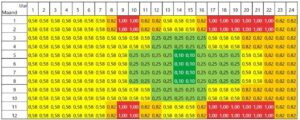
Rates are applied to both kWmax and kWh. This means that peak power and high consumption are charged more heavily at specific times, while the total power demand of a connection does not change. For this, grid operators work with weighting factors based on a normal distribution, where peak hours are around factor 1 and off-peak hours are between about 0.6 and 0.9, see also figure below with the schedule of weighting factors proposed by grid operators for each hour of the day per month.
Positive signals for energy storage
For companies with flexible processes or with energy storage behind the meter, this offers clear opportunities. Initial signals from the market show that energy storage in particular benefits from time-dependent grid tariffs. By storing electricity during off-peak hours and deploying it during peak hours, companies can reduce their grid costs while contributing to a lower load on the grid.
During the Industry and Business working group in February, Energy Storage NL discussed the grid operators' proposal. Points raised from the market included the lack of action perspective in the winter months, when energy demand is structurally higher, and the need for a uniform and clear weighting chart with rounded decimals. These points have been incorporated into the proposal.
After an initial assessment by the ACM, a market consultation will follow shortly. In addition, it is important to emphasize that time-dependent tariffs are also going to be implemented for small consumers. Implementation of small consumer tariffs is also expected in 2028.
Next steps and broader application
Energy Storage NL is positive about the steps regional grid operators are taking with time-dependent grid tariffs. The measure provides a structural incentive for investments in energy storage and flexibility and contributes to a better utilized and less heavily taxed electricity grid.
We call on our members to actively provide input during the upcoming market consultation. In this way we can jointly ensure realistic, market-based tariffs and a maximum effect of this measure on relieving grid congestion. Input can be submitted no later than April 27 to noa.van.der.valk@fme.nl.
Latest News
 Member News
GES and TenneT conclude first Capacity Control Contract with congestion reliever for Sequoia battery project at Oosterhout municipality
April 8, 2026 Member News
Nij Smellinghe pioneers: completely off gas by 2027 with revolutionary heat battery
April 7, 2026 News
News