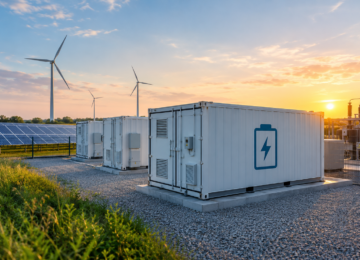

'Own consumption' relieves the electricity grid and prevents surpluses during the day; while use of any stored electricity in the evening prevents the need to turn on (fossil) power plants. The direct use of self-generated solar power is a prerequisite for the energy system of the future; a new phase has begun. Options for more self-consumption include the "smart" use of a heat boiler, smart charging of the electric car and other electric devices, and local storage in, for example, a home or neighborhood battery or via decentralized heat storage. However, the current net-metering system lacks any incentive for increasing self-consumption. As long as feed-in pays off - with an increasing number of solar panels this problem will continue to grow.
Unfair costs
If the net-metering scheme is not phased out, the state will miss out on 2.8 billion in tax revenue, an amount for which, according to the minister, no coverage has yet been included in the budget. In addition, the balancing scheme is unfair: households without panels contribute disproportionately to the financing of balancing and feeding back the generated energy. And not everyone can or may - financially or physically - purchase or install solar panels, such as residents of apartments or flats. The share of total households living in social housing alone is 34%. These are the groups who foot the bill for a benefit to people who can make the investment. We think this is unfair.
We therefore support Minister Jetten's proposal to make 100 million available to make housing corporations and private landlords in the regulated segment more sustainable when the net-metering scheme is phased out. We see this commitment as an important and logical next step to provide targeted assistance to households who need a lower energy bill in the short term in the face of the phasing out of the energy-saving scheme. Just as there are subsidies for insulating your home, an investment subsidy could also become available for a certain group of households. Either way, installing solar panels remains attractive to everyone.
The phasing out of the balancing scheme is necessary to better support specific groups in particular with buying solar panels while keeping the social costs manageable.
Investment remains interesting
Over 2.6 million households now have solar panels on their homes. Even if the law is accepted, the payback periods will remain attractive for owners who already have solar panels as well as for future solar panel owners. According to MilieuCentraal, an independent advisory body, the payback period is less than seven years in most cases. This calculation takes into account the phasing out path of the balancing scheme. After seven years, the self-generated electricity can be used free of charge for another 18 years. In short: solar panels remain an interesting investment for homeowners even without the balancing system. By making the energy-saving scheme more frugal - by phasing it out over 6 years - solar panels will remain attractive to all Dutch citizens and will not jeopardize our goals for energy independence and sustainability.