
DNV and Ventolines surveys show system value storage
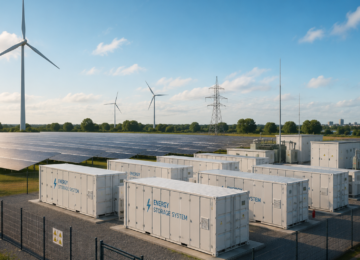
DNV and Ventolines have conducted two studies on the implementation of battery systems in collaboration with Energy Storage NL and others. Both studies show that batteries are essential within the Dutch Energy System, but that rollout is strongly inhibited by double energy taxes, high transmission tariffs and the lack of a structural rebate or reward for the proven system role of batteries. Ventolines conducted research on large-scale batteries and DNV conducted research on small-scale batteries.
Large-scale batteries
Ventolines sees opportunities for the battery sector: the growing need for flexibility on the one hand and technological advances (and falling prices) on the other. They expect strong growth of batteries towards 2030. Grid congestion is a bottleneck, but also offers the opportunity to use batteries as congestion mitigators. Especially if alternative contract forms (such as TDTR and CSC) are further developed. However, they rightly see that ‘implementation still lags behind the need, creating uncertainty among developers. This uncertainty due to high costs, lack of appropriate contract forms and long permitting processes must be addressed. This can be done by emphasizing the importance of large-scale batteries, better communicating social value, better site management, and more support for permitting agencies in implementation.
Small-scale batteries
In the context of grid congestion, small-scale and mobile batteries are an important solution for companies or new households that cannot get a connection. Moreover, increasing congestion also makes it more financially interesting for these parties. A major bottleneck, besides the aforementioned issues with large-scale, is the double energy tax (for both input and off-take). This puts strong pressure on the business case. It is important to quickly find a solution to this issue in order to achieve a level playing field for small-scale batteries both domestically and at the European level.
Call ESNL: commit to intensive cooperation toward appropriate solutions
The research will factor into shaping the Integrated Energy Storage Policy Agenda, which includes ESNL at the table. ESNL endorses the conclusion that a national target for storage is needed and that contract forms for flexibility should be rolled out more quickly. At the same time, the research shows that the bottlenecks are clear, while concrete solutions have yet to be worked out. Energy Storage NL therefore calls for further intensive work on the Policy Agenda until the summer, focusing on what is possible to achieve sufficient energy storage as soon as possible for a reliable and affordable Dutch Energy System.