
Fourth Round of ESNL Working Groups: Looking Ahead to 2027 Together
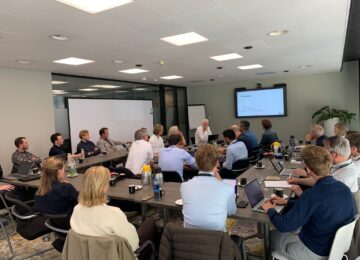
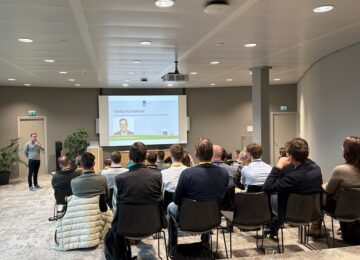
This week marked the fourth and final round of the 2026 ESNL working groups. During the working groups on Large-Scale Energy Storage, Industry & Businesses, and the Built Environment, members, experts, and other stakeholders once again engaged in discussions about current developments in energy storage. From grid congestion and flexibility to safety, financing, and heat storage: this round’s agenda once again featured a wide range of topics.
Large-scale energy storage
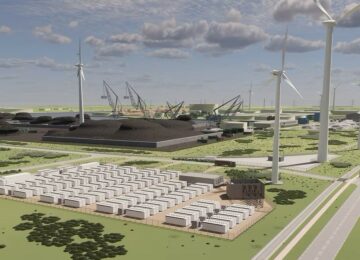
The Large-Scale Energy Storage working group focused on the further development and integration of large-scale batteries. For example, discussions were held with TenneT regarding the development of inertia as a system service and the potential contribution of grid-forming batteries to this effort.
The financial conditions for storage were also discussed at length. Among other things, the members discussed the further development of the capacity management contract and received an explanation of ESNL’s recent financial market study on the financial viability of large-scale battery projects.
In addition, discussions were held with DNV regarding their research into the role that large-scale batteries can play in grid congestion and the spatial integration of projects. Finally, attention was given to developments surrounding extended producer responsibility (EPR) for industrial batteries.
Energy Storage in Industry and Business
In the Industry & Business working group, there was a strong focus on practical applications: what is needed to actually make better use of storage and flexibility in businesses? Discussions were held with the City of Rotterdam regarding the local integration of energy storage and the issues this raises for both municipalities and market participants. The discussion then turned to flexibility behind the meter, following a BlueTerra study on the opportunities and barriers for businesses.
Safety was also a focus of discussion again during this round. Discussions were held with the Ministry of Infrastructure and Water Management regarding the latest developments surrounding PGS 37 and the safe use of energy storage systems.
The link between energy storage and making industry more sustainable was another key topic of discussion. Together with Cluster 6, we explored the role that energy storage and other forms of flexibility can play for energy-intensive companies, and how market demand and solutions can be better aligned.
Energy Storage in the Built Environment
The role of energy storage continues to evolve in the built environment as well. During this working group meeting, participants discussed the findings of a study conducted by ESNL—in collaboration with the NVDE, among others—on the future of household energy bills and the significance of sustainability, flexibility, and energy storage in that context. In addition, the members discussed the current status regarding the double energy tax on home batteries.
The discussion then turned to developments surrounding the collective Heat Alliance and the heat market. Naturally, a key question for ESNL was what role heat storage might play in the further development of the heating system.
Finally, developments related to UPV Batteries were discussed, as well as the role ESNL can play in bringing together parties with flexibility needs and providers of storage solutions.
From 2026 to 2027
Since this was already the fourth and final round of working group meetings of the year, we also took a brief look back at 2026 and looked ahead to 2027 in all three working groups. Last year’s discussions once again provided valuable input for ESNL’s activities in the new year.
Thank you to all members, guest speakers, and others involved who contributed to our working groups this year. In 2027, we will continue to integrate practical experience, market developments, and policy to further strengthen the role of energy storage in the Dutch energy system.