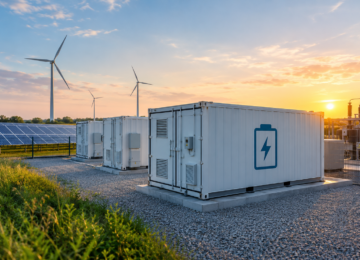

ESNL welcomes inclusion of home batteries in energy label
Energy Storage NL (ESNL) welcomes the decision that home batteries will be included in the energy label for homes and buildings from May 29, 2026. This gives home batteries a formal position within the assessment of the energy performance of buildings for the first time - an important step ESNL has also advocated in the National Energy Storage Action Plan.
The change follows the updated NTA 8800 methodology and the implementation of the revised European EPBD Directive. As a result, home batteries with a minimum storage capacity of 5 kWh and a fixed connection will now count toward the energy label calculation.
Recognition for energy storage in built environment
With the inclusion of home batteries, the energy label better reflects the realities of the modern energy system. Homes and buildings are increasingly being equipped with technologies that not only generate energy, but also temporarily store and smartly deploy it. Home batteries increase the proportion of self-consumption of locally generated solar electricity, and under the right conditions, reduce peak loads on the grid and contribute to flexibility in the energy system.
Next step: include heat batteries and thermal storage
While ESNL welcomes this development, the industry association stresses that a future-proof energy label must look at storage in a broad sense. This means that, for example, thermal batteries should also become part of the energy label system.
Indeed, heat storage plays a crucial role in making the built environment more sustainable and in reducing grid congestion. This is also evidenced by, among other things, the Casebook Heat Storage, which ESNL published late last year.
ESNL therefore remains committed to further modernizing regulations and standards so that all relevant storage technologies - electrical, thermal and molecular - are valued equally within energy policy.