
Scaling Up Long-Term Energy Storage: RenewaFLEXNL on Technology, System Integration, and Practical Applications
Energy Storage NL actively participates in knowledge and innovation projects related to energy storage. In this way, we contribute to research that provides insight into—and substantiates with data—the value of energy storage for the energy system. We share the knowledge we’ve gained both within and outside our network and use it to further strengthen our policy advocacy. In this interview, we speak with Iratxe Gonzalez Aparicio, Program Manager for System Transformation at TNO, about RenewaFLEXNL, a three-year collaborative project in which seventeen partners from across the energy sector are working on the development and integration of long-term energy storage into the Dutch energy system. The project combines the development of electrochemical and thermal storage technologies with real-world case studies and system analyses, with the goal of reducing grid congestion, making better use of renewable energy, and making long-term storage scalable.
RenewaFLEXNL focuses on the role of long-term energy storage (Long-Duration Energy Storage, LDES) on land. What challenge does this project address, and why is research into LDES so important right now?
The Dutch energy transition is entering a new phase. The rapid growth of solar and wind energy and increasing electrification are bringing new challenges. This is because renewable energy production does not always align with energy demand. Furthermore, many regions are experiencing severe grid congestion. As a result, new renewable energy projects, industrial companies, and electrification initiatives cannot always be connected to the power grid. Simply expanding the power grid and deploying short-term batteries is not enough to resolve these bottlenecks.
Long-term energy storage is therefore indispensable. With LDES, energy can be stored for anywhere from a few hours to several days, allowing for the bridging of gaps between renewable energy production and energy demand. This reduces the need to curtail renewable energy generation, relieves pressure on the power grid, enhances security of supply, and supports the electrification of sectors such as industry, transportation, and greenhouse horticulture. Research in this area is particularly important right now: the Netherlands is moving toward an energy system with a high share of renewable energy and needs solutions that can provide greater flexibility than conventional batteries. RenewaFLEXNL aims to accelerate the development of such solutions, reduce technical and financial risks, and test their performance in real-world conditions, so that large-scale implementation becomes possible in the coming decade.
The project is investigating both electrochemical and thermal energy storage. Why is it important to consider these two forms of storage in conjunction with one another?
The energy transition isn’t just about electricity. In sectors such as manufacturing and greenhouse horticulture, a large portion of the energy is used for heating. If we focus solely on electrochemical storage, we’re missing an important opportunity to make these sectors more efficient and sustainable.
Thermal storage allows excess renewable electricity to be converted into heat and stored for later use. This is particularly valuable for industrial processes and greenhouses, where the demand for heat is high and often continuous. Combining electrochemical and thermal storage creates greater flexibility, reduces pressure on the power grid, and allows for better utilization of renewable energy. RenewaFLEXNL is therefore investigating how different storage technologies can work together within an open energy management system (EMS) that optimally coordinates generation, storage, and demand at the aggregator level. This integrated approach increases societal value and contributes to a reliable, affordable, and sustainable energy supply across various sectors of the Dutch economy.
What stage is the project currently in, and what key insights or milestones can you share so far?
The project is structured as a three-year program in which technology developers, grid operators, industrial users, universities, and research organizations collaborate on the technical, economic, legal, and societal aspects of LDES implementation. The project framework, objectives, case studies, and technology development paths have now been established. A key component is the testing of components from three innovative Dutch storage technologies: the acid-base flow battery based on saltwater from Aquabattery, the iron-air battery from ORE Energy and BB1’s hybrid solution for thermal and electrical storage. Through these tests, the developers aim to raise the Technology Readiness Level (TRL) of their technology. This project, therefore, does not involve a full-scale demonstration of the technologies in the real-world use cases in the Port of Rotterdam, De Kwakel, and Altena. At the same time, TNO and the consortium partners are developing a blueprint for an open energy management system, which will allow storage to be optimally aligned with renewable energy production and energy demand. In addition, the project will produce techno-economic analyses, life-cycle analyses, recommendations for future regulations, and a national system analysis. The results not only clarify how the technologies can be further developed from a technical standpoint, but also what is needed to successfully apply and scale them up within the Dutch energy system in the future.
In your opinion, what are the biggest challenges and opportunities for long-term energy storage in the Netherlands?
The biggest challenge is that the value of long-term energy storage is still not sufficiently recognized within current energy markets and regulations. Most market mechanisms primarily reward short-term flexibility, whereas LDES adds value over a longer period: from a few hours to several days. It helps reduce grid congestion, better integrate renewable energy, and increase long-term security of supply. As a result, it is still difficult for many technologies to establish a solid business case. Uncertainty about future regulations and the financial risks for investors are also hindering adoption.
At the same time, the opportunities are enormous. The Netherlands needs a great deal of flexibility to accommodate the growth of offshore wind energy and onshore renewable energy production, and to enable the further electrification of industry, transportation, and heating systems. LDES can convert fluctuating renewable energy generation into a more reliable and predictable energy supply. As a result, less renewable energy needs to be curtailed, and the existing grid infrastructure can be utilized more efficiently. The project also demonstrates that Dutch technology developers are working on innovative solutions using widely available, non-critical raw materials. This offers opportunities for economic growth and a strong technological position. If we properly design its integration into the energy system, the regulations, and the business models, LDES can become a key pillar of a resilient and affordable Dutch energy system.
What impact do you hope RenewaFLEXNL will ultimately have on the development of long-term energy storage and the Dutch energy storage sector?
I hope that RenewaFLEXNL will provide the knowledge, practical experience, and trust needed to accelerate the large-scale adoption of long-term energy storage in the Netherlands. The project focuses not only on technology development but also on how storage can be effectively integrated into the energy system, the value this delivers to various stakeholders, and the policy and market conditions required for widespread adoption. Key results include testing components of the technologies and developing a blueprint for an open energy management system, supplemented by substantiated business cases, recommendations for future regulations, life-cycle analyses, and a national energy system analysis. This will enable investors, policymakers, grid operators, and companies to make more informed decisions about future investments in energy storage.
Would you like to learn more about the knowledge and innovation projects? Register for Energy Storage Day on October 7 during the Energy Trade Show!
Image: RenewaFLEXNL, TNO
Latest News
 Interview
Flexibility as the Key to a Smarter Energy System: Voltao on Smart Control and Energy Storage
October 26, 2026 Member News
Funding Secured for Watergeuzen Battery: 10 MW Battery Next to Wind Farm
October 23, 2026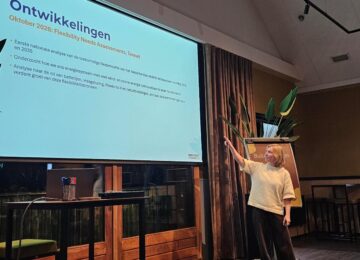 News
News